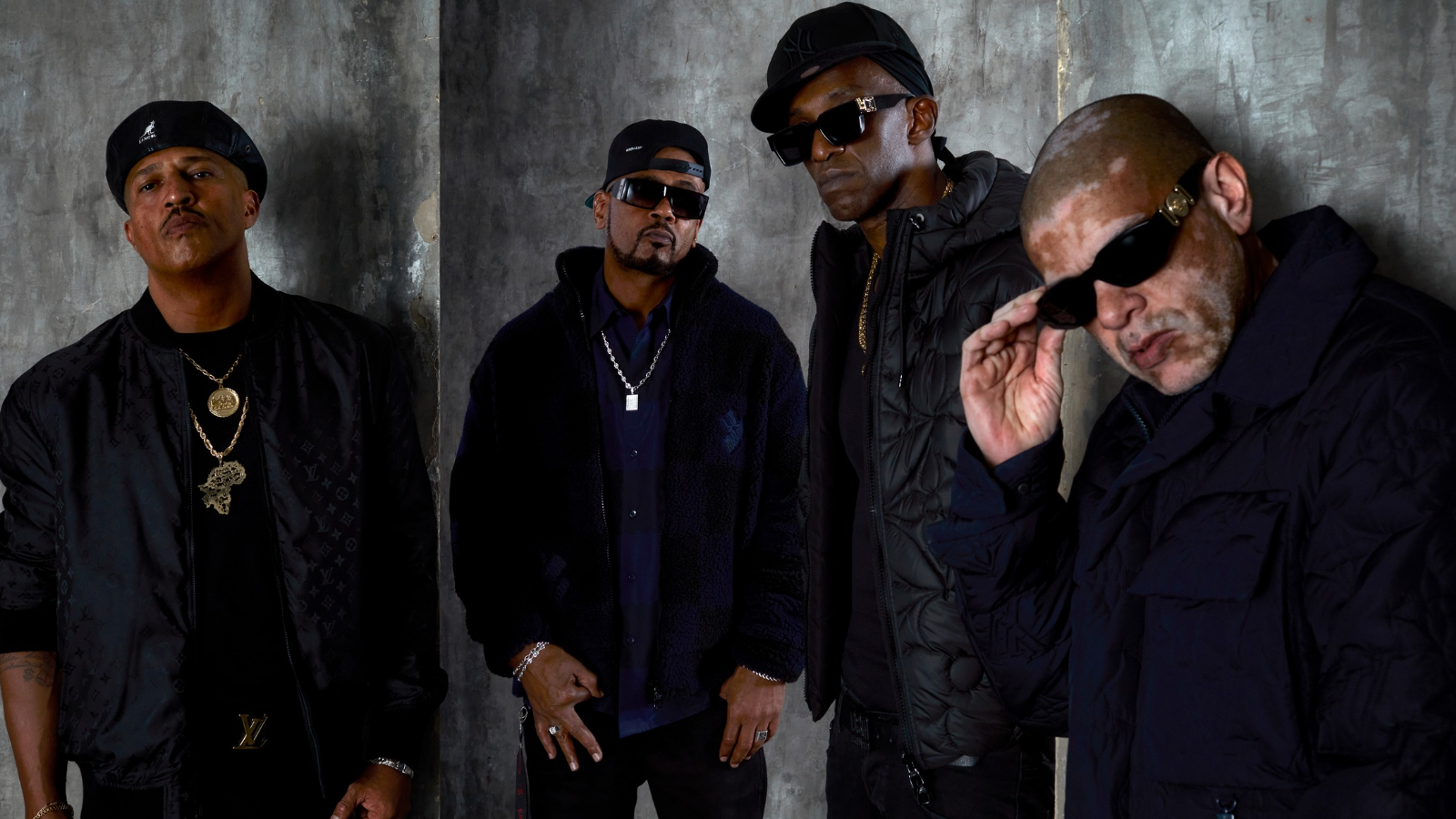
From Racionais MC's to Drik Barbosa, this selection brings together artists from different generations who address identity, ancestry, resistance, and Black empowerment through music.
November is a month for recognizing and valuing Black history and culture in Brazil. Celebrated on November 20th, the National Day of Zumbi and Black Consciousness reinforces the importance of acknowledging the leading role of the Black population in the construction of Brazilian society. In this context, hip-hop plays a fundamental role as an artistic and cultural expression that transforms experiences into identity, memory, and resistance.
To mark the date, ONErpm highlights Black artists from its catalog who, through different sounds and perspectives, use music to talk about ancestry, freedom, representation, spirituality, and self-esteem. The selection includes names such as Racionais MC's, Tássia Reis, Froid, Djonga, LEALL, Drik Barbosa, Drizzy, El Coffee, and Negra Li, showcasing the plurality of narratives that drive the scene.
"Every time a Black artist rises to prominence or gains recognition, it opens an opportunity for other artists to do the same." – Drizzy
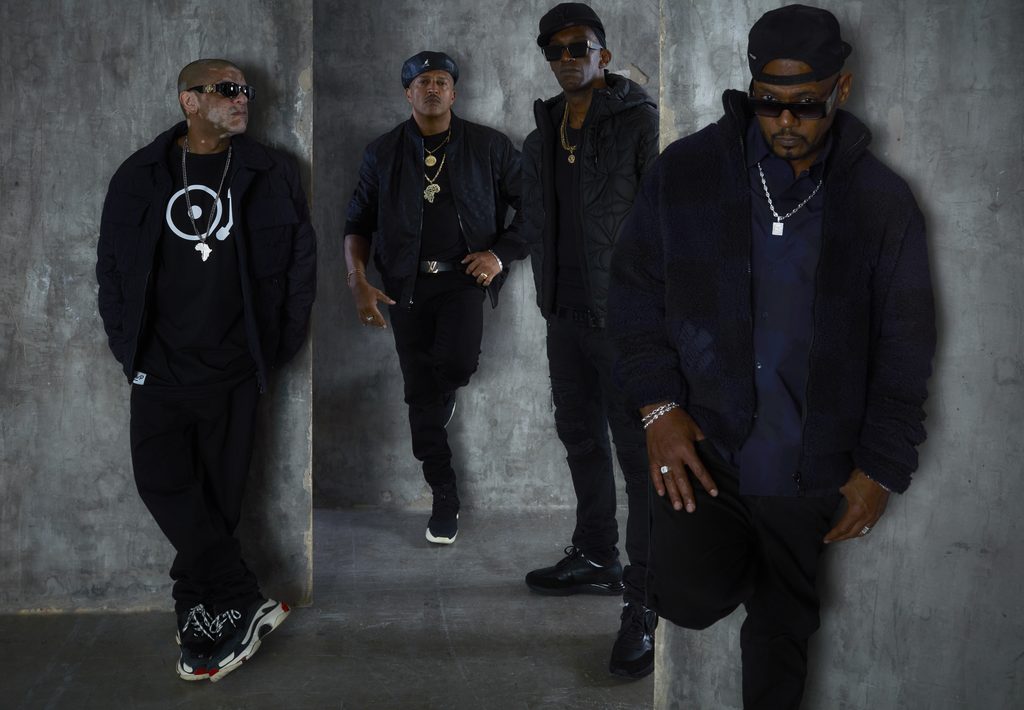
Among the highlights is “Júri Racional” by Racionais MC's, a track from the album “ Raio X do Brasil ” (1993), which addresses internalized racism, the valorization of Black identity, and the recognition of one's own origins. The song remains an important record of the group's contribution to the consolidation of national rap and to the strengthening of racial consciousness within the movement.
The affirmation of identity and the confrontation of inequalities also appear in "Asfalto Selvagem" (Wild Asphalt), by Tássia Reis, present on the album " Topo da Minha Cabeça " (Top of My Head). In the track, the artist transforms experiences marked by violence and racism into expression and resistance, in addition to highlighting samba as an element of memory and preservation of black culture.
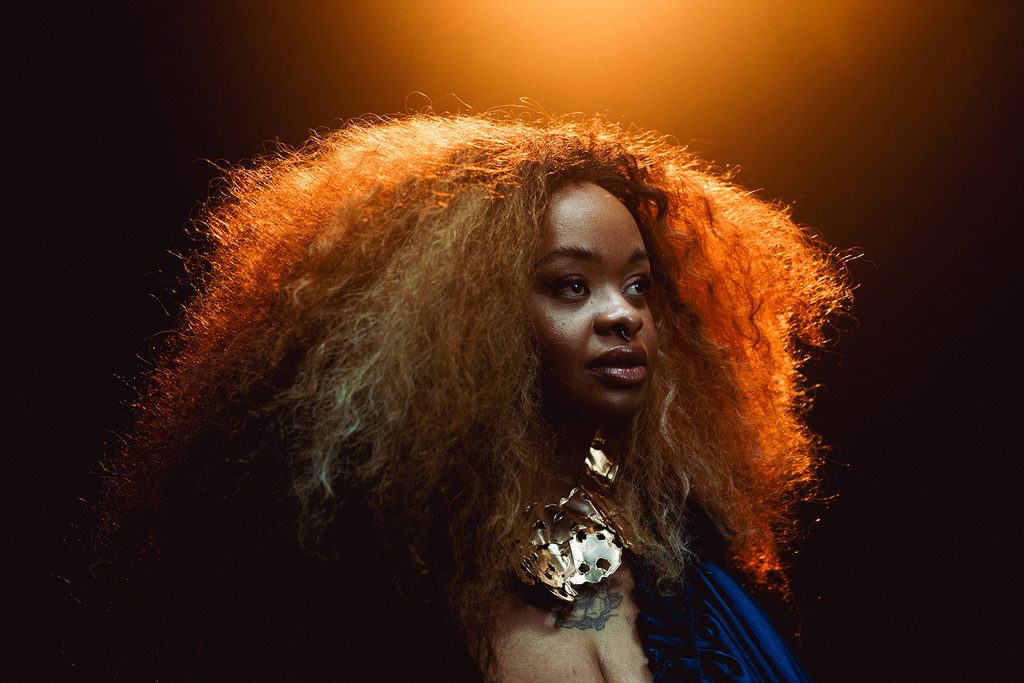
In " Livre," Djonga presents a reflection on Black pride, self-determination, and confronting structural racism.
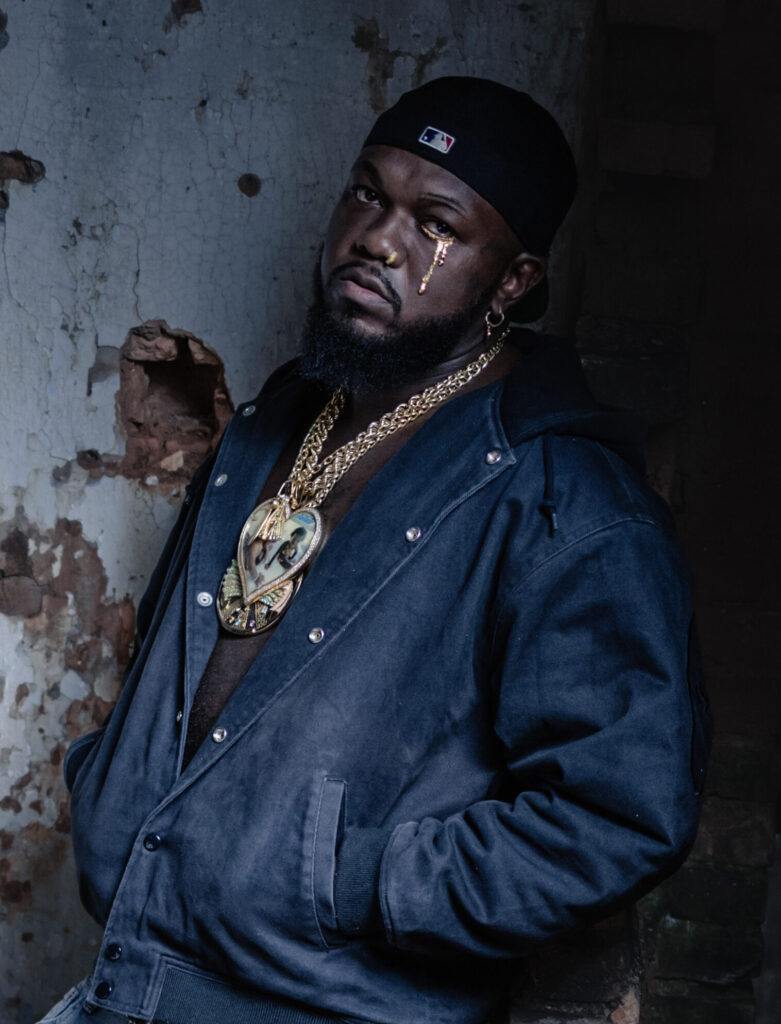
Female protagonism takes center stage in Drik Barbosa 's " Sob Medida, " which brings together four generations of women in hip-hop: Stefanie, Cristal, Drik herself, and Mirella, the artist's younger sister. Through this collaboration, the track establishes a connection between different moments in the scene and reinforces the importance of representation and the continuity of women in hip-hop culture.
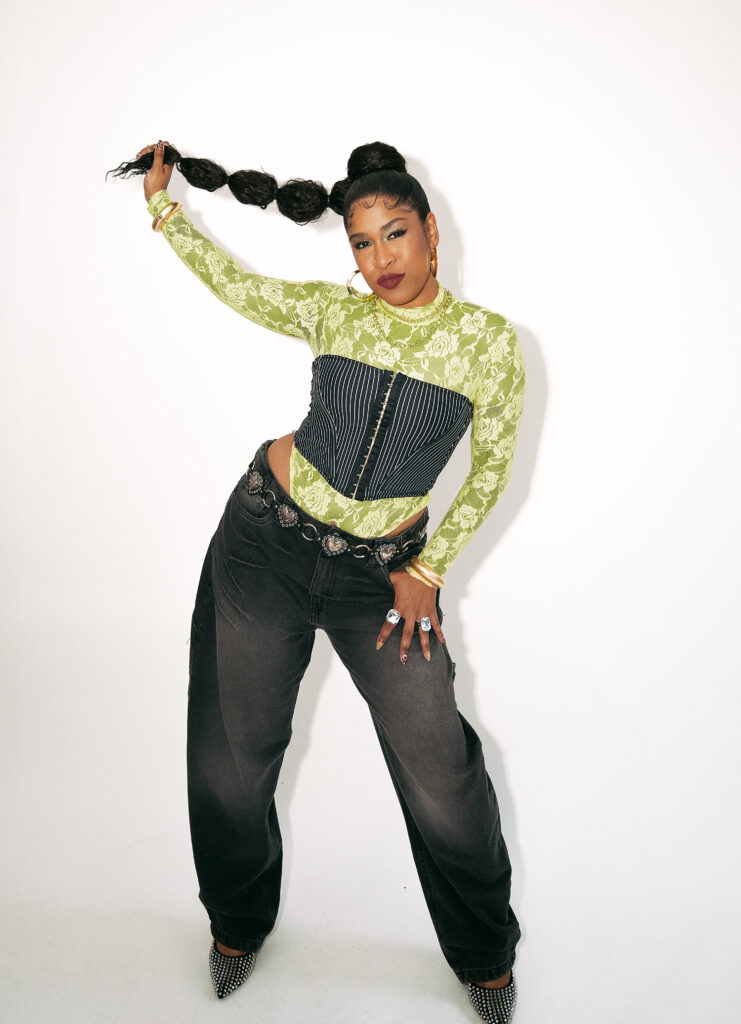
Another highlight is “Black Money” by Negra Li, which brings together references to Black personalities and addresses the appreciation of beauty, financial empowerment, and representation. The track broadens the debate about Black autonomy and protagonism, connecting music and social issues.
The selection also includes “ Negro É Foda ” by Froid, “ Posso Mudar Meu Destino ” by LEALL, and “ Cacto ” by El Coffe.
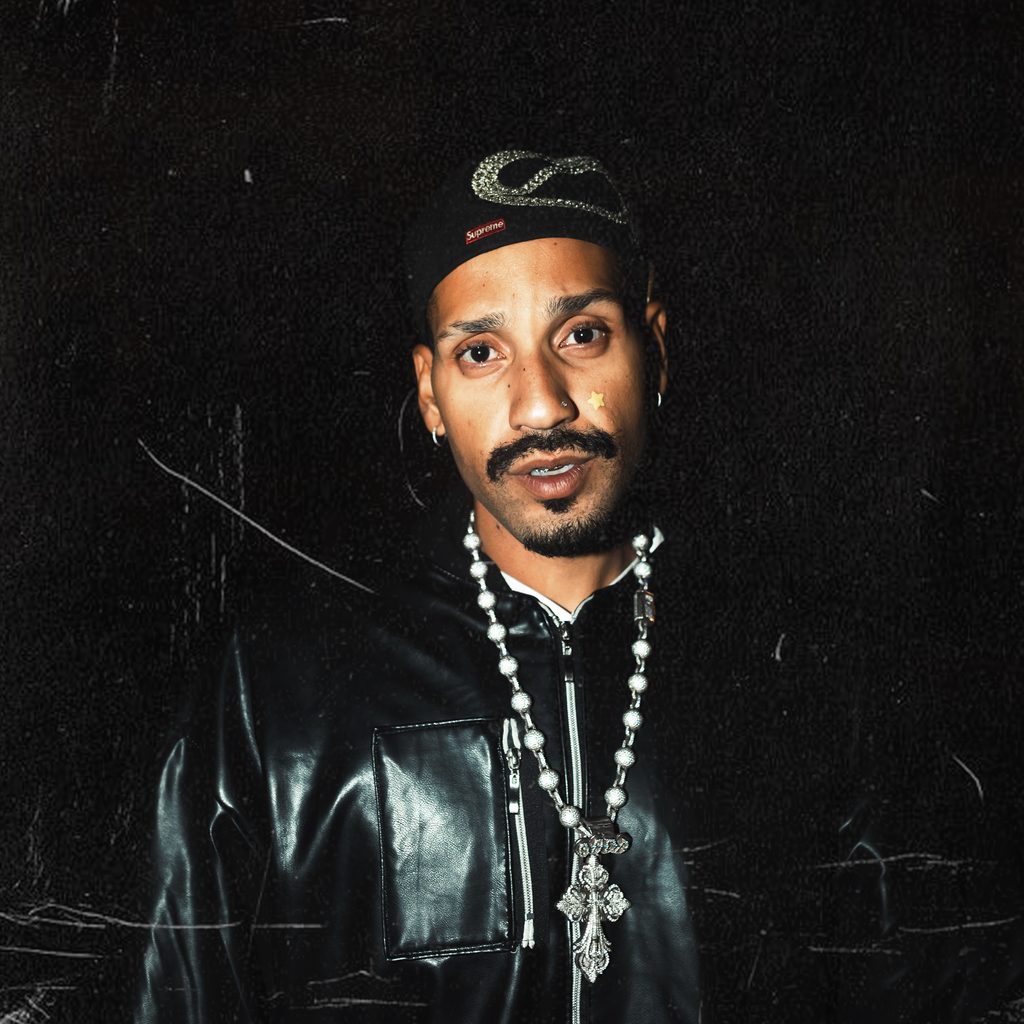
The São Paulo-based artist El Coffee brings spirituality to the center of his narrative. Through different approaches, his works reflect the diversity of experiences and perspectives present in Brazilian Black music.
“I come from a reality where we often grow up without seeing people like us occupying certain spaces. So, occupying these spaces today also has a very significant meaning for me,” comments El Coffee.
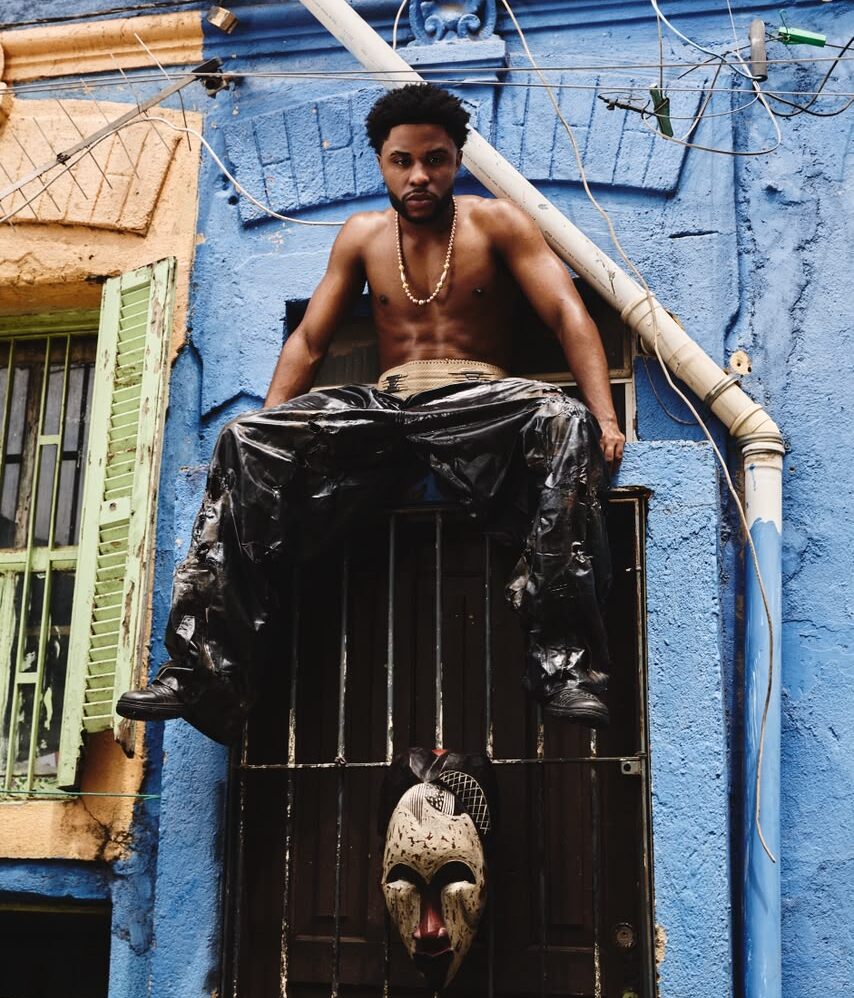
“ I don’t want my music to be just about being Black or about representing something. I want it to be good music, that touches people, that has identity. The fact that it exists through the hands of a Black Brazilian artist already carries a message: we too can create, experiment, lead movements and build something that doesn’t yet exist. ”
The curation also includes “Dedo no Gatilho” by Maru2D, and “ QUE SE FODA ”, a collaboration between Drizzy and L7NNON, broadening the panorama of artists and sounds present in the selection.
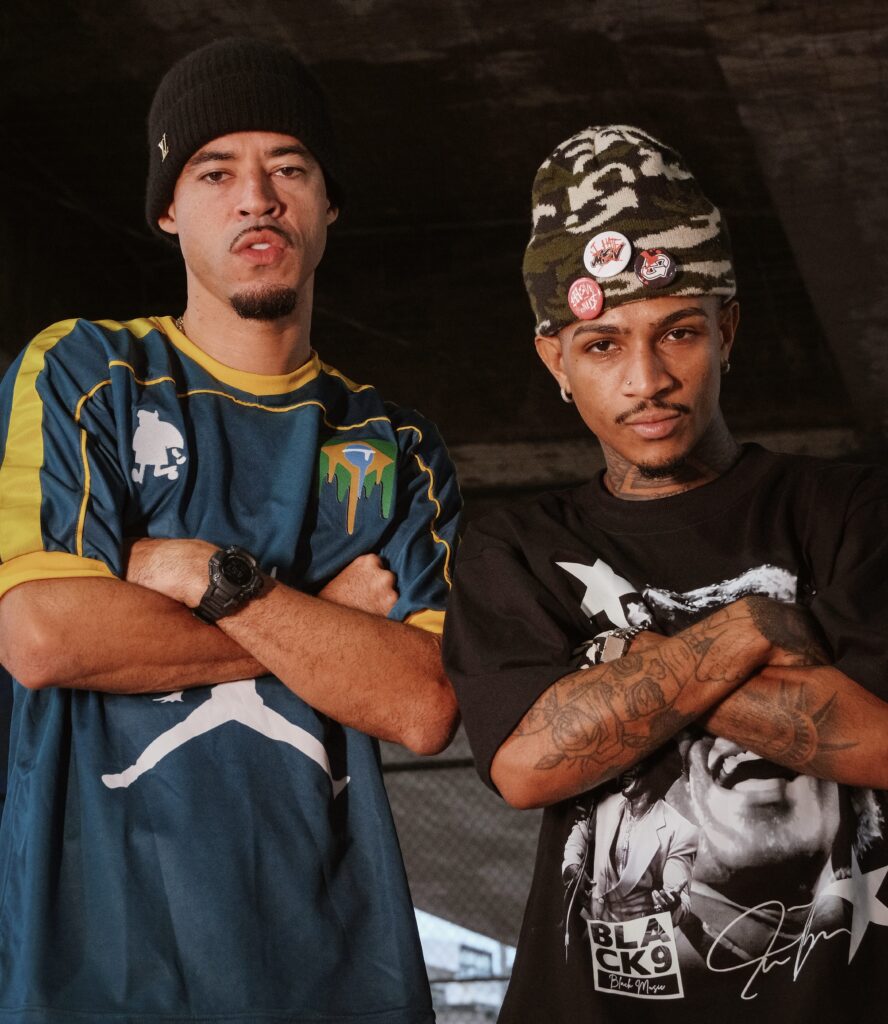
Drizzy released the album 'Uma Conversa como Diabo' in 2026, and its tracks contain stories and experiences that connect with the audience and highlight representation in his work.
“ With my music, I try to raise awareness about race, because everything is different for Black people. For Black people, prosperity is expressed in a very different way: money doesn't erase anyone's color. A white person who rises in society doesn't go through the same things as a Black person who rises in society. It's this level of awareness that I try to convey in my music. ”
The tracks mentioned are available on all digital platforms via ONErpm .
Discover more music releases from ONErpm in Newsroom/PressReleases
ONErpm . Music is power. Amplify it.